

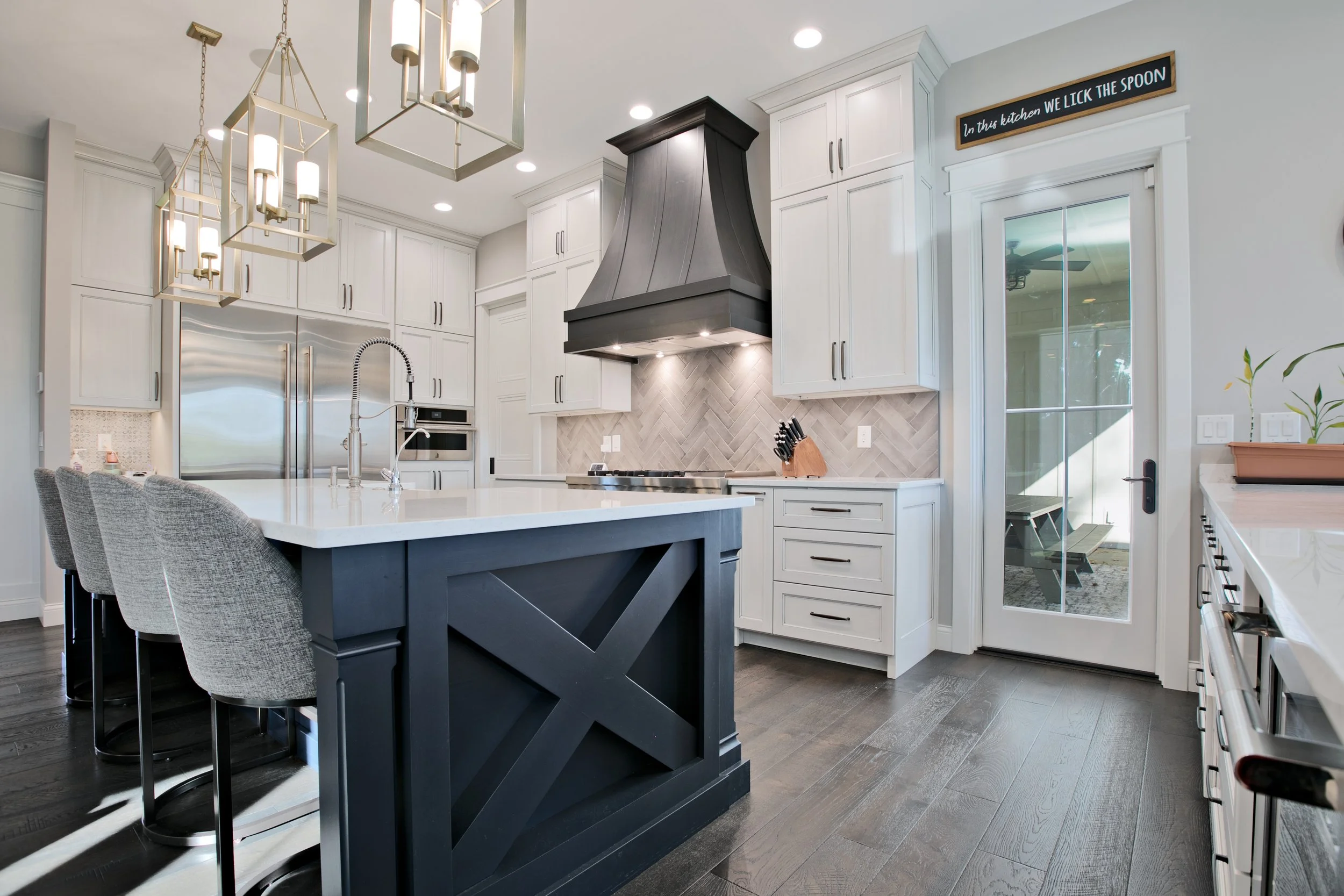
Change Orders in Construction
Change orders aren’t always a bad thing—but they can cause budget and schedule stress if they aren’t managed correctly. Here’s what change orders really mean, what triggers them, and how a great builder keeps them under control.
Change Orders in Construction: What They Are, Why They Happen, and How to Avoid Budget Surprises
If you’ve heard scary stories about change orders, you’re not alone.
Many homeowners worry that a “change order” means:
the budget is about to blow up
the builder messed up
the project is spiraling out of control
But the truth is:
Change orders are normal in custom home construction.
What matters most is how they’re handled.
Let’s break down what change orders are, why they happen, and how to avoid the most common budget surprises.
What Is a Change Order?
A change order is a written change to the original scope of work.
It typically includes:
what is changing
why it’s changing
the cost difference (add or deduct)
any schedule impact
homeowner approval before work proceeds
Change orders exist for one reason:
So everyone stays aligned and protected.
Why Change Orders Happen (The Most Common Reasons)
Change orders usually fall into one of these categories:
1) The Homeowner Changes Their Mind
Examples:
switching flooring
adding built-ins
upgrading fixtures
changing paint or trim details
modifying layout elements
Totally normal—custom homes are personal.
2) Selections Weren’t Finalized Early Enough
If decisions are delayed, the project can require changes once construction is underway.
3) Site Conditions Require Adjustments
Sometimes conditions aren’t fully known until work begins:
soil issues
drainage challenges
utility conflicts
structural modifications
4) Scope Gaps (Something Wasn’t Included Clearly)
This is the big one that causes frustration.
If a homeowner thought something was included and it wasn’t, it creates stress.
This is why clear documentation matters from the beginning.
The Real Problem Isn’t Change Orders… It’s Surprise Change Orders
A well-run project can have change orders without feeling chaotic.
But when change orders are:
frequent
unclear
rushed
not forecasted
not tracked properly
They create stress.
A good builder’s job is to prevent surprises and communicate clearly before costs hit.
How to Avoid Change Order Stress (What We Recommend)
1) Lock in Key Decisions Early
The earlier selections are made, the fewer changes happen during construction.
This improves:
budget accuracy
schedule consistency
ordering lead times
2) Make Sure Your Budget Is Transparent
If you’re building cost-plus, change orders still matter—but the goal is the same:
Clarity and documentation.
You should always know what’s changing and why.
3) Work With a Builder Who Has a Clear Process
The best projects aren’t “perfect.”
They’re well managed.
A strong process includes:
clear scope definitions
documented changes
approval before work begins
regular budget reviews
Our Philosophy: Change Orders Should Feel Clear, Not Stressful
At Mark Scott Homes, we believe homeowners deserve a building experience that feels:
✔ organized
✔ transparent
✔ professional
✔ calm
✔ enjoyable
Change orders happen—but surprises shouldn’t.
If you’re considering building a custom home in Southwest Michigan or Northern Indiana, we’d love to walk you through our process and help you plan with confidence.
FOLLOW US ON SOCIAL


HOME TOUR

HOME TOUR

Should You Put Salt on Your Driveway in Winter?
Salt may melt ice fast, but it can quietly destroy your driveway over time. Here’s why we recommend never using salt—and what to use instead.
Should You Put Salt on Your Driveway in Winter?
Short answer: No. Never.
Long answer: keep reading—because this one decision can quietly damage your driveway, your home, and even the environment.
Why People Use Salt in the First Place
Rock salt (typically sodium chloride) is commonly spread on driveways and walkways to:
Melt ice by lowering the freezing point of water
Improve traction quickly
Reduce slip hazards
It feels like the responsible thing to do in the moment. Unfortunately, it creates long-term problems that most homeowners don’t see until years later.
What Salt Actually Does to a Driveway
1. It Damages Concrete
Concrete is porous. When salt dissolves, it seeps into the surface. As temperatures rise and fall, moisture inside the concrete freezes and expands.
That leads to:
Surface scaling and flaking
Pitting
Cracks that grow larger over time
Once concrete starts to deteriorate, it doesn’t heal—it only accelerates.
2. It’s Especially Hard on New Concrete
New concrete continues curing for months, even after it looks finished. Salt exposure during this period:
Weakens the surface
Causes premature scaling
Can permanently reduce the lifespan of the slab
Most concrete manufacturers and installers recommend no salt for at least the first winter, and many advise avoiding it entirely.
3. It Damages Asphalt Too
Salt doesn’t play nicely with asphalt either. It:
Breaks down binders
Speeds up cracking
Increases pothole formation
Asphalt already expands and contracts significantly in winter—salt just speeds up the wear.
4. It Attacks Nearby Materials
Salt doesn’t stay where you put it.
It gets tracked into:
Garages (leading to rust on vehicles)
Homes (damaging flooring)
Landscaping (killing grass, shrubs, and trees)
It can also corrode:
Metal railings
Door thresholds
Fasteners and structural connectors
5. It’s Bad for the Environment
Salt runoff ends up in:
Soil
Groundwater
Lakes and streams
Once salt enters the ecosystem, it doesn’t break down. It accumulates—and damages plant life and water quality over time.
“But What About Safety?”
This is the big concern—and it’s valid. Slips are no joke. The good news? You have better options.
Safer Alternatives to Salt
Sand or grit – Improves traction without chemical damage
Calcium magnesium acetate (CMA) – Less harmful, but still best used sparingly
Snow removal first – Shovel or plow early before snow packs down into ice
Good drainage and slope – Prevents refreezing in the first place
(Pro tip: the best winter driveway strategy is thoughtful design before winter ever arrives.)
Our Professional Recommendation
From a builder’s perspective—after seeing hundreds of driveways over decades—the guidance is simple:
Do not put salt on your driveway. Ever.
The short-term convenience isn’t worth:
Shortened driveway life
Costly repairs
Hidden structural damage
Environmental harm
A well-built driveway is an investment. Treat it like one.
Final Takeaway
If you want your driveway to:
Look better, longer
Last decades instead of years
Avoid unnecessary repair costs
Skip the salt. Grab a shovel, use traction materials, and let smart design do the heavy lifting.
Your driveway will thank you. And so will Future You.
FOLLOW US ON SOCIAL


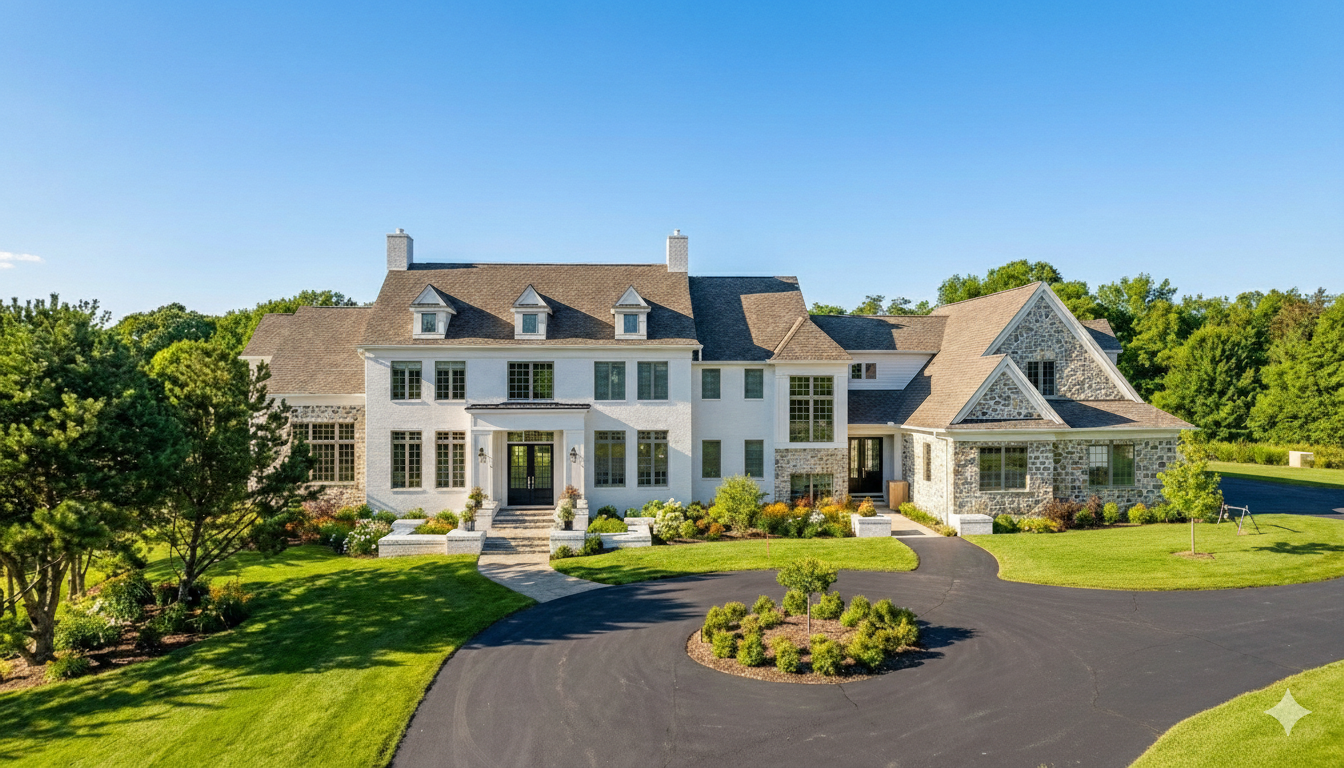
Window Condensation Explained
Seeing condensation on your windows? It’s often normal in winter, especially in energy-efficient homes. Learn when it’s harmless—and when it’s a sign to investigate further.
Window Condensation Explained: What’s Normal, What’s Not, and When to Be Concerned
Condensation on windows is one of the most common questions homeowners ask—especially during colder months. If you’re seeing moisture on your windows, don’t panic. In many cases, condensation is a sign your home and windows are performing exactly as designed.
This guide explains:
Why window condensation happens
When it’s normal
When it’s a problem
What you can do to manage it
What Causes Condensation on Windows?
Condensation forms when warm, moisture-filled indoor air meets a colder surface, such as window glass in winter. When the air cools quickly, it releases moisture in the form of water droplets.
Modern homes—especially custom, energy-efficient homes—are built to be:
Airtight
Well insulated
Energy efficient
That’s great for comfort and efficiency, but it also means moisture stays inside longer than it did in older homes.
Why Condensation Is Common in New, Energy-Efficient Homes
New windows and tight building envelopes reduce drafts and heat loss. Because less warm air escapes, interior glass surfaces can remain cooler, making condensation more visible.
Daily activities add surprising amounts of moisture to your home:
Cooking
Showering
Laundry
Even breathing
In winter, that moisture has fewer escape paths, so it often shows up on windows first.
👉 Condensation does not mean your windows are failing.
It often means your home is sealed and insulated well.
Types of Window Condensation (And What They Mean)
Interior Window Condensation
Usually normal
Most common in winter and often appears:
Overnight
In bathrooms or kitchens
On north-facing windows
✔ Clears during the day
✔ Light moisture
✔ No damage
This is typically not a concern.
Exterior Window Condensation
A good sign
Moisture on the outside of windows usually occurs when:
Outdoor air warms faster than the glass
Windows are highly energy efficient
This indicates your windows are keeping heat inside where it belongs.
Condensation Between Window Panes
Cause for concern
If moisture appears between panes of glass:
The insulated seal has failed
Performance is reduced
Moisture will not clear on its own
This typically requires professional evaluation and repair.
When Should You Be Concerned About Window Condensation?
You should investigate further if condensation:
Is persistent and heavy
Causes water pooling on sills
Leads to peeling paint or wood damage
Is associated with mold or mildew
Appears between panes of glass
These conditions may indicate high indoor humidity or ventilation issues—not poor construction, but something that needs adjustment.
How to Reduce Interior Window Condensation
Improve Air Circulation
Open blinds and curtains during the day
Allow warm air to reach window surfaces
Control Indoor Humidity
Use kitchen and bathroom exhaust fans
Run fans during and after showers
Avoid overusing humidifiers in winter
Monitor Humidity Levels
Ideal winter indoor humidity: 25–35%
Use a hygrometer to track levels accurately
Manage Moisture Sources
Cover pots while cooking
Vent dryers outdoors
Ensure ventilation systems are operating properly
Final Thoughts for Homeowners
Window condensation is a normal part of living in a high-performance home—especially during seasonal temperature swings. Understanding the difference between normal moisture and warning signs helps protect your home and gives peace of mind.
If you ever have questions, addressing them early is always the best approach.
Frequently Asked Questions About Window Condensation
-
Yes, in many cases it is. Light condensation on the interior of windows during colder months is common—especially in newer, energy-efficient homes. It often appears overnight and clears as the home warms during the day.
-
In winter, the glass surface of windows becomes much colder while indoor air stays warm and holds moisture. When that warm, humid air touches the cold glass, condensation forms. The bigger the temperature difference, the more likely condensation becomes.
-
New homes are built tighter and better insulated than older homes. While this improves comfort and efficiency, it also means moisture created by everyday living—showers, cooking, laundry, and even breathing—stays inside longer instead of escaping through drafts.
-
A good target range for winter is typically 25–35% indoor relative humidity. When outdoor temperatures drop significantly, indoor humidity may need to be on the lower end of that range to help reduce condensation.
-
No. Exterior condensation is usually a good sign. It often means your windows are insulating well and keeping warm air inside your home. This typically happens when outdoor air warms quickly while the glass remains cool.
-
You should look closer if condensation:
Is heavy and persistent
Causes water pooling on window sills
Leads to peeling paint or swelling wood
Is accompanied by musty smells or mold
Appears between the panes of glass
These signs suggest humidity or ventilation issues that should be addressed.
-
Condensation or fogging between panes usually indicates a failed seal in the insulated glass unit. Moisture is trapped inside the glass and typically will not clear on its own. This situation should be evaluated by a professional.
-
Simple steps often help:
Use kitchen and bathroom exhaust fans during and after use
Improve air circulation near windows
Open blinds and curtains during cold spells
Avoid overusing humidifiers in winter
Monitor indoor humidity with a hygrometer
-
Not necessarily. In most cases, condensation is related to indoor humidity and airflow—not a window defect. Only condensation between panes typically indicates a window performance issue.
Builder’s Perspective:
In a well-built, high-performance home, the goal is comfort and efficiency—meaning less air leakage and better insulation. That tighter envelope can make seasonal condensation more noticeable, especially during cold snaps. Most of the time, it’s not a window problem—it’s a humidity/airflow balance issue. If it’s heavy, persistent, or showing up between panes, we want to know early so we can help you address it before it affects trim, finishes, or indoor air quality.
FOLLOW US ON SOCIAL

The Most Common Custom Home Regrets
Most homeowners don’t regret building a custom home—they regret what they didn’t plan early enough. Here are the most common regrets and how to avoid them.
Building a custom home is one of the most exciting projects you’ll ever take on.
But even homeowners who love their finished home sometimes say:
“We should’ve thought about that sooner.”
At Mark Scott Homes, we build high-end custom homes across Southwest Michigan and Northern Indiana, including New Buffalo, Sawyer, and LaPorte. Over the years, we’ve learned that most regrets don’t come from the home itself…
They come from small planning gaps that become big inconveniences later.
Here are the most common custom home regrets—and how to avoid them.
Regret #1: “We didn’t plan storage like we should have.”
Storage isn’t exciting until you don’t have enough of it.
Common regrets include:
not enough pantry space
closets that look big but don’t function well
no drop zone at the entry
nowhere for beach/lake gear
utility areas that feel cluttered
How to avoid it:
Design storage around real life. Walk through daily routines during planning, not after move-in.
Regret #2: “We didn’t understand how many decisions we’d need to make.”
Custom homes come with a lot of choices.
When decisions pile up, homeowners can feel overwhelmed—which leads to rushed selections or delays.
How to avoid it:
Work with a builder who has a clear selections process and timeline, and helps you make decisions in the right order.
Regret #3: “We didn’t think about lighting early enough.”
Lighting impacts how your home feels every day.
Common regrets:
not enough recessed lighting
poor exterior lighting
forgetting lamp outlets
no statement fixtures where it matters
harsh lighting in cozy spaces
How to avoid it:
Plan lighting by function first, then design. Don’t forget outdoor living areas and pathways—especially for lake homes.
Regret #4: “We didn’t plan for the future.”
Even if you’re building your dream home now, life changes.
Homeowners often wish they included:
wider doorways
main-level living options
future-friendly bathroom layouts
flexible guest spaces
better long-term accessibility
How to avoid it:
Future-proof while it’s easy. It’s much cheaper to plan now than remodel later.
Regret #5: “We didn’t fully understand the budget.”
This is one of the biggest stress points in custom home building.
The most common reasons:
allowances were unrealistic
changes weren’t documented clearly
budget updates weren’t proactive
expectations weren’t aligned early
How to avoid it:
Choose a builder who provides real-time transparency and consistent budget communication.
Regret #6: “We didn’t spend enough time on the layout.”
A home can be beautiful and still not function well.
Common layout regrets:
kitchen flow feels awkward
laundry is inconvenient
mudroom too small
traffic patterns feel cramped
outdoor living isn’t connected to the interior
How to avoid it:
Do a “day in the life” walkthrough during design. Morning routine, guests over, holidays, weekends—simulate it all.
Regret #7: “We didn’t choose the right builder.”
This is the regret that hurts the most.
Because it impacts:
schedule
budget
quality
communication
the entire experience
How to avoid it:
Look for a builder with:
proven craftsmanship
a clear process
transparent budgeting
strong communication
great reviews and repeat referrals
The Best Custom Homes Are Built With Clarity
Most regrets are avoidable with the right planning and the right team.
If you’re building in New Buffalo, Sawyer, LaPorte, or anywhere in Michiana, we’d love to help you plan a home you’ll love for decades.
FOLLOW US ON SOCIAL
HOME TOUR
HOME TOUR
The Truth About Allowances in Home Building
Allowances can make a custom home budget look simple—but they’re often the #1 reason homeowners feel blindsided later. Here’s what allowances really mean and how to protect your budget.
The Truth About Allowances in Home Building (And Why They Surprise Homeowners)
If you’re building a custom home, you’ve probably seen a budget line that looks something like this:
“Lighting Allowance: $X”
“Tile Allowance: $X”
“Plumbing Allowance: $X”
And you may have wondered…
Is that a real price? Or just a placeholder?
Great question—and one that matters a lot if you want your custom home build to stay financially comfortable and predictable.
At Mark Scott Homes, we build high-end custom homes across Southwest Michigan and Northern Indiana, including New Buffalo, Sawyer, and LaPorte. One of the most important parts of the homeowner experience is making sure your budget feels clear and transparent, not confusing.
Let’s break down allowances in plain English.
What Is an Allowance in Home Building?
An allowance is a placeholder amount in your construction budget for a product that hasn’t been selected yet.
In simple terms:
We know you need it—but the exact item and cost aren’t finalized.
Allowances commonly apply to:
Lighting fixtures
Plumbing fixtures
Tile and flooring
Cabinets and countertops
Appliances
Door hardware
Landscaping
Specialty features (fireplaces, beams, custom details)
Allowances help keep a project moving forward, especially during early budgeting—but they need to be handled the right way.
Why Allowances Often Create Budget Surprises
Allowances aren’t automatically a problem.
The problem happens when:
the allowance is unrealistically low, or
there are too many allowances, creating uncertainty.
Here’s the pattern we see most often:
A budget includes a low allowance
Homeowners choose finishes that match the home’s quality level
Actual costs come in higher than the allowance
The budget increases
Homeowners feel blindsided
That’s not the experience anyone wants—especially when building a premium custom home.
The Difference Between “Reasonable” and “Risky” Allowances
A good allowance should feel:
realistic for the type of home you’re building
aligned with your design goals
easy to track and update
A risky allowance is usually:
too low to be realistic
vague or undefined
stacked across too many categories
For example:
A custom lake home in New Buffalo or Sawyer typically includes more statement lighting, higher-end plumbing fixtures, and elevated finishes—so allowances need to reflect that.
How to Protect Your Custom Home Budget From Allowance Overruns
Here’s what we recommend (and what we guide homeowners through):
1) Finalize Key Selections Earlier
The earlier major selections are made, the fewer placeholders you need.
That means:
more accurate budgeting
fewer last-minute decisions
fewer schedule disruptions
2) Use Allowances That Match the Home You’re Building
A custom home budget should match your expectations for:
craftsmanship
durability
aesthetics
lifestyle use
A budget can’t be “premium” if the allowances are “starter home.”
3) Track Allowances Like a Living Budget
Your budget should evolve as selections are made.
We believe homeowners should always know:
what’s selected
what’s pending
what’s trending over/under
what decisions affect cost
No surprises. No mystery math.
Allowances Should Create Flexibility—Not Confusion
Allowances can be a useful tool when used responsibly.
But if you’re building a custom home in LaPorte, New Buffalo, Sawyer, or the surrounding Michiana area, you deserve a budget that feels transparent, organized, and honest.
If you’d like, we can walk you through allowances and what’s realistic for your home goals—before construction begins.
Want to talk through your project? Contact Mark Scott Homes today.
FAQ ALLOWANCES IN HOME BUILDING
-
Yes. Allowances are included as placeholder amounts. If actual selections exceed the allowance, the budget increases.
-
Not necessarily. Cost-plus can provide transparency, but allowances still need to be realistic and tracked carefully.
-
If a budget has allowances for most finish categories, it can be difficult to predict final cost. Fewer allowances usually means more budget clarity.
-
Finalize selections earlier, use realistic numbers, and track spending in real time with your builder.
FOLLOW US ON SOCIAL
HOME TOUR

HOME TOUR

Cost Plus Contract for Custom Home Building: How it Works
A cost plus contract isn’t about guessing the final price—it’s about transparency. Instead of bundled estimates and hidden contingencies, homeowners pay actual construction costs plus a builder fee, tracked against a clear budget. Through monthly budget reviews and open communication, homeowners stay informed, empowered, and in control of decisions as their custom home takes shape.
If you’re planning to build a custom home in Southwest Michigan or Northern Indiana, you’ll quickly run into two common contract types: fixed price and cost plus.
In this post, we’ll explain exactly how a cost plus contract works, why it’s often more beneficial for the homeowner, and how our process at Mark Scott Homes keeps your budget clear, organized, and actively managed—without pretending custom building is a “one price fits all” situation.
Because here’s the honest truth:
A cost plus contract is not a “what you see is what you pay” price.
It is actual cost—and we believe that transparency is the fairest way to build a truly custom home.
What Is a Cost Plus Contract?
A cost plus contract means you pay:
Actual project costs (labor, materials, subcontractors, permits, rentals, etc.), as they occur
Plus a builder fee (typically a fixed fee or percentage) to cover construction management, supervision, planning, scheduling, and execution
Instead of guessing the final cost upfront (and adding padding “just in case”), the project is built using real invoices and real costs, with a clear builder fee.
In plain English:
You pay what the project actually costs—no smoke, no mirrors, no “magic” numbers.
Cost Plus vs Fixed Price: The Biggest Difference
Fixed Price (simplified)
Builder gives one total price for the full project
Builder assumes risk of cost changes
Price often includes contingencies and markup buffers to protect the builder
Cost Plus (simplified)
Homeowner pays actual costs
Builder fee is defined clearly
Budget is actively monitored and updated as selections and decisions are made
Cost plus is often a better fit for high-end custom homes, lake homes, and projects where details, design evolution, and craftsmanship matter—because custom homes rarely stay perfectly “fixed” once real-world decisions begin.
Why a Cost Plus Contract Can Be Better for the Homeowner
1) Transparency: You see what things really cost
In cost plus, costs aren’t hidden inside a lump sum. You’re not wondering, “How much did they mark that up?”
You can see:
subcontractor invoices
material invoices
credits if something comes in under budget
the real impact of upgrades or scope changes
This is one of the biggest reasons many homeowners prefer cost plus: it’s open-book and honest.
2) Flexibility: Custom homes change—cost plus handles it better
With a fixed-price contract, changes can become stressful fast:
change orders pile up
pricing can feel unpredictable
homeowners can feel penalized for normal decisions
With cost plus, your project can evolve more naturally because the contract is built for reality:
you refine finishes
you adjust layout details
you choose priorities as you go
We still manage changes carefully—but cost plus tends to be a smoother experience for a custom build.
3) Fewer “mystery markups” and less padding
Fixed-price bids often include contingency padding because builders must protect themselves from unknowns (material fluctuations, lead times, scope gaps, etc.).
Cost plus generally reduces that “built-in guesswork,” because costs aren’t bundled into a single number that has to cover every risk.
4) Better decision-making because you stay connected to the budget
This is the part many homeowners love most once they experience it:
Cost plus encourages smart, real-time decisions, not surprises at the end.
You don’t find out you’re over budget after the fact—you see it as decisions happen, while options still exist.
“This Is Not a Fixed Price” — What That Really Means
Let’s be extremely clear:
A cost plus contract is not:
a guaranteed total price
a “sticker price”
a “what you see is what you pay” number
A cost plus contract is:
actual costs for your specific home
tracked and managed against an agreed budget
reviewed regularly with you
So if you’re looking for the comfort of a single guaranteed price no matter what happens, a fixed-price contract may sound appealing.
But if you want a custom home built with clarity, flexibility, and transparency, cost plus is often the better choice.
How Our Cost Plus Budget System Works - Monthly Budget Meetings
A cost plus contract only feels “safe” when it’s paired with a disciplined budget process. That’s why we don’t just build—we manage your financial picture throughout the build.
Step 1: We establish a clear project budget
Early in the process, we build a budget based on:
plans + specifications
allowances (where needed)
known site and structural requirements
project goals and priorities
This becomes the baseline that guides the project.
Step 2: We track actual costs against the budget
As invoices come in, they are coded and tracked so you can see:
budgeted amount
actual spent to date
committed costs (what’s already approved but not yet invoiced)
remaining budget
Step 3: Monthly budget meeting
Every month, we schedule a budget meeting to review:
current costs to date
updated projections
upcoming decisions that affect cost
any variance from the budget (up or down)
options and trade-offs if we need to bring something back in line
This is not a “glance at a spreadsheet” meeting. It’s a real conversation:
what changed
what’s coming next
what decisions matter most
how to stay aligned with your goals
Step 4: We help you make informed choices
If something is trending over budget, our job is to help you make smart adjustments:
value-engineering options
selecting alternates
reprioritizing features based on what matters most
The goal is simple: no surprises, and no confusion.
Common Questions About Cost Plus Contracts
Is cost plus more expensive?
Not inherently. Cost plus is often more transparent, but the final total depends on your design, selections, and scope—just like any custom home. The difference is you can see and manage it in real time. Cost plus is often less compared to a fixed fee.
How does the builder make money on cost plus?
Through the builder fee, which is defined upfront. That fee pays for management, scheduling, supervision, project leadership, and the systems needed to deliver a high-quality home.
What keeps costs from getting out of control?
A strong builder process. For us, that includes:
detailed budgeting
tracking actuals + commitments
and monthly budget meetings reviewing projections and decisions
Who is cost plus best for?
Cost plus is often ideal for homeowners who value:
transparency
customization
craftsmanship and high standards
an organized process and clear communication
The Bottom Line: Cost Plus Is About Trust, Transparency, and Control
A cost plus contract isn’t a shortcut—and it isn’t “cheaper by default.” It’s a better framework for many custom homes because it’s built on reality:
actual costs
clear builder fee
active budget management
monthly financial reviews
fewer surprises and better decision-making
If you’re considering building a custom home in Michiana and want a process that prioritizes clarity and craftsmanship, we’re happy to talk through whether a cost plus contract is the right fit for your project.
Thinking about building a custom home in Southwest Michigan or Northern Indiana?
Reach out to Mark Scott Homes to discuss your goals, timeline, and the best contract approach for your project.
FOLLOW US ON SOCIAL
What Does It Cost to Build a Custom Home?
A clear, practical breakdown of what it really costs to build a custom home, what impacts pricing, and how to plan realistically for your new build.
A Practical Guide for Homeowners Planning a New Build
One of the first—and most important—questions homeowners ask when considering a custom home is simple:
“How much does it cost to build?”
The honest answer is: it depends—but that doesn’t mean the process should feel vague or confusing.
This guide is designed to give you a clear, realistic understanding of what goes into the cost of building a custom home, what ranges to expect, and how to plan wisely so there are no surprises along the way.
The Short Answer: Typical Cost Per Square Foot
In today’s market in Southwest Michigan and Norther Indiana, custom homes typically start around $400 per square foot, with costs increasing based on design complexity, finishes, site conditions, and location.
For example:
A 2,500 sq ft home → starting around $1,000,000
A 3,500 sq ft home → starting around $1,400,000
A lakefront or highly detailed home → often higher
This does not mean every home costs the same per square foot—far from it. Square footage is only one piece of the equation.
What Actually Determines the Cost of a Custom Home?
1. Design & Architecture
Your plans matter—a lot.
Costs increase with:
Complex rooflines
Large spans and open layouts
Custom details and ceiling treatments
Extensive glass and large window systems
A well-designed home balances beauty with buildability.
2. Site Conditions & Location
Where you build can significantly impact cost.
Factors include:
Lakefront vs inland lots
Soil conditions and excavation requirements
Septic vs sewer
Driveway length and access
Local zoning and permitting requirements
Two identical homes can vary widely in cost based solely on the site.
3. Level of Finish
This is where personalization really shows—and where budgets can shift.
Higher costs come from:
Custom cabinetry and millwork
High-end flooring and tile
Premium plumbing and lighting fixtures
Specialty appliances
Stone, metal, or wood exterior details
There’s no “right” finish level—only what aligns with your priorities.
4. Mechanical Systems & Performance
Behind the walls matters just as much as what you see.
Costs vary based on:
HVAC system design
Energy efficiency goals
Insulation and air sealing
Smart home features
Backup power or specialty systems
Homes built for comfort, longevity, and efficiency often cost more upfront—but pay off over time.
Cost-Plus vs Fixed Price: Why the Structure Matters
How your project is priced can impact both cost and experience.
Cost-Plus (Open Book)
Transparent pricing
Actual costs passed through to the homeowner
Builder fee agreed upon upfront
Flexibility for changes and selections
This model is common for high-quality custom homes and provides clarity throughout the process.
Fixed Price
One lump sum
Less flexibility
Often includes larger contingencies to manage risk
Understanding the difference helps you choose the approach that fits your goals.
What’s Often Not Included in “Cost Per Square Foot”
Many online estimates leave out critical items. Be sure to clarify whether pricing includes:
Land purchase
Site development
Landscaping and exterior features
Driveways and patios
Furnishings
Design and engineering fees
A good builder will help you understand the full picture, not just the build cost.
Why Early Budget Conversations Matter
The earlier budget expectations are aligned, the smoother the process will be.
A thoughtful builder will:
Talk openly about realistic ranges
Help prioritize what matters most
Identify potential cost drivers early
Guide design decisions to stay aligned with goals
This isn’t about limiting creativity—it’s about building confidently.
Final Thoughts: Planning for Success
Building a custom home is one of the largest investments you’ll ever make. The goal isn’t just to build a beautiful house—it’s to enjoy the process and feel confident every step of the way.
When cost expectations are clear, decisions become easier, communication improves, and the end result reflects what truly matters to you.
If you’re considering a custom home in Southwest Michigan like New Buffalo, Sawyer, Stevensville or Northern Indiana such as South Bend, Granger, or LaPorte, having an early, honest conversation about cost is the best place to start.
FOLLOW US ON SOCIAL

What Homeowners Wish They Knew Before Building Their First Custom Home
Building your first custom home is exciting, but it helps to know what to expect. In this article, we share insights homeowners wish they knew before starting—covering timelines, communication, decision-making, and how to enjoy the process. A must-read for anyone planning a custom home.
What Homeowners Wish They Knew Before Building Their First Custom Home
For many families, building a custom home is a lifelong dream—an opportunity to design a space that reflects your lifestyle, your values, and the way you want to live. But as exciting as the journey is, the process can feel overwhelming when it’s your first time.
At Mark Scott Homes, we’ve guided homeowners through every step, and most clients finish their homes saying the same thing: “We love our home… but we wish we had known this at the beginning.” Consider this your head start.
1) The Process Matters As Much As the Finished Home
A beautiful finished home is only part of the value. The experience—how decisions are made, how communication works, and how organized the process is—shapes everything.
What to look for in a builder’s process:
A clear roadmap from pre-design through move-in
A structured selections schedule (with deadlines)
Transparent budgeting and approvals
Regular progress updates
2) Timelines Are Influenced by More Than Construction
Many first-time builders assume the construction phase is the longest part. In reality, the stages before construction—design, selections, and permits—often determine how smoothly the build runs.
| Stage of the Journey | What Happens During This Stage | Typical Timeframe |
|---|---|---|
| Pre-Design & Budget Alignment | Clarifying vision, goals, scope, and investment comfort | 2–6 weeks |
| Architecture & Design | Floor plans, engineering, revisions, and design development | 8–20 weeks |
| Selections & Specifications | Finalizing materials, finishes, fixtures, and detailed specifications | 6–12+ weeks |
| Permits & Approvals | Municipality and/or HOA reviews and required approvals | Varies by location |
Takeaway: The more decisions you make early, the smoother (and faster) construction becomes.
3) Early Selections Save Time, Money, and Stress
It’s not just cabinets and paint colors—there are hundreds of decisions across fixtures, trims, hardware, grout, and more. A structured selections process:
Produces accurate pricing
Locks in long lead items
Reduces change orders
Keeps momentum in the field
If you’re a “need to see it to decide” person, ask your builder about mockups, showrooms, or design support.
4) Communication Is the Difference Between Enjoyable and Exhausting
Communication shouldn’t be ad hoc. It should be designed.
| Communication Standard | Why It Matters |
|---|---|
| One primary point of contact | Prevents confusion and mixed messages |
| Scheduled progress updates | Keeps you informed and reduces anxiety |
| Documented decisions | Ensures accuracy and protects expectations |
| Transparent cost & schedule tracking | Builds trust and reduces surprises |
| Timely responses to questions | Helps you feel supported and confident |
Tip: Ask your builder, “Who is my primary point of contact?” and “How often will we receive updates?”
5) Budgeting Is About Alignment and Clarity (Not Just the Lowest Price)
Comparing builders by price alone often leads to surprise costs later. Focus on clarity:
Are allowances aligned to your taste level?
Will you see actual costs and invoices?
How are changes communicated and approved?
How are price fluctuations handled?
| Question to Ask | Why It’s Important |
|---|---|
| Are allowances aligned with the finishes we want? | Prevents budget shock later |
| Will we see actual costs and invoices? | Builds financial transparency and trust |
| How are changes communicated and approved? | Protects you from surprise costs |
| How do you manage cost escalation or price changes? | Ensures proactive planning |
| What systems do you use to track project finances? | Keeps the budget on course |
Bottom line: A transparent builder protects your investment, not just quotes it.
6) The Team You Choose Shapes the Entire Experience
Look for a builder who values trust, communication, and long-standing trade relationships; who educates, guides, and advocates for you; and who treats your home like their own. The right team makes this journey memorable—in the best possible way.
Final Thought
You’re not expected to know everything before you begin—that’s our job. With clear communication, early selections, and a proven process, building your custom home can be a truly enjoyable experience from the first meeting to the final walkthrough.
Ready to talk through your plans? We’re here to help you start with confidence.
FOLLOW US ON SOCIAL
The Hidden Costs of Building a Custom Home
Building a custom home is exciting—but surprise costs aren’t. In this article, we reveal the most common hidden expenses homeowners don’t expect and how to plan for them with confidence. Learn how the right builder helps you stay on budget without sacrificing quality.
The Hidden Costs of Building a Custom Home (and How to Budget Wisely)
Building a custom home should feel like the start of something amazing—not the start of a financial mystery thriller. At Mark Scott Homes, we prefer your building journey to be more “cozy family movie night” than “plot twist no one saw coming.”
Today, we’re breaking down the most common hidden costs of building a custom home and how to prepare for them—without losing sleep, your sanity, or your snack budget.
💡 Why “Hidden Costs” Happen in the First Place
Let’s clear something up: most “hidden costs” aren’t sneaky… they’re just misunderstood, overlooked, or not fully explained.
(Not naming names. But we see you. 👀)
Hidden costs often arise from:
Scope changes & upgrades after selections
Site conditions and permitting
Material price increases
Unrealistic allowances
“Pinterest expectations” not matching allowance pricing
A great builder won’t just warn you about these — they guide you through them so you can plan ahead.
🚧 1. Site Conditions & Land Prep
Before you build your dream home, the earth has something to say about it. And sometimes…it’s sassy.
Possible surprise costs include:
Tree removal or grading
Soil issues requiring engineered foundations
Drainage or water management needs
Utility access challenges
Pro Tip: Always get a soil test and detailed site evaluation before finalizing your budget.
🧰 2. Allowances That Don’t Match Your Real Style
If your allowance is set for vinyl tile and you’ve been saving inspo pics of French white oak floors…we can already hear your budget crying softly in the corner.
Your allowances should reflect your actual taste — not the lowest-possible cost just to make the contract price look pretty.
At MSH, we walk through allowances with you before contract so they reflect your vision. No “gotcha” moments later.
🖼️ 3. Design Upgrades During Construction
Even the most decisive homeowners have a moment where they say:
“Okay… BUT NOW that I see it… what if we did this instead?”
Upgrades that seem small—like swapping tile, adding built-ins, upgrading appliances—can add up quickly. That’s why we guide homeowners through selections early and in an organized manner to minimize “mid-build inspiration damage.” 😉
📑 4. Permitting, Utilities & Municipality Requirements
These vary wildly depending on location (especially for lake or riverfront builds). Fees you may not expect include:
Sewer/Water tap fees
Driveway permits
Environmental or shoreline reviews
Impact fees
We handle the heavy lifting here so you don’t need a second job as a permit attorney.
📈 5. Inflation & Material Cost Changes
The construction world doesn’t sit still, and neither do material prices. Transparency is key so homeowners know how pricing is monitored and communicated.
🧮 So… How Do You Avoid Budget Surprises?
Here’s what works:
Include a contingency (5–10%)Life happens, but your stress level doesn’t have to
Make selections early. It locks in decisions and avoids “oh no” costs
Use a transparent cost-plus model. You see every dollar and where it goes
Hire a builder with great communication. It prevents 99% of budget panic
And yes — Mark Scott Homes does all of the above. It’s our love language.
❤️ The MSH Promise: No Smoke, No Mirrors, No Surprises
We believe trust is built through transparency, education, and communication.
Our job is to guide you through the process so you always feel informed, empowered, and confident in your investment.
FOLLOW US ON SOCIAL

Why Builder Communication Makes or Breaks the Build Experience
The #1 cause of stress during custom home builds isn’t cost — it’s communication. Here’s how the right builder keeps your project clear, collaborative, and on course from start to finish.
It’s Not Just What You Build — It’s How You Communicate
Every successful custom home begins with a vision.
But between that first sketch and move-in day, hundreds of decisions, updates, and adjustments happen. Without clear communication, even the best plans can unravel.
At Mark Scott Homes, we’ve learned that the difference between a stressful build and a seamless one often comes down to how information flows. That’s why communication isn’t a side task for us — it’s the foundation of your experience.
The Biggest Frustration Homeowners Have With Builders
It’s rarely about quality or craftsmanship.
When homeowners say, “Our builder was good, but I’d never do it again,” they’re usually talking about:
Missed updates
Surprises on costs or schedules
Feeling “out of the loop” during key stages
Having to chase information instead of receiving it
That’s not a construction problem — it’s a communication system problem. And it’s one we’ve solved through process, not luck.
How Mark Scott Homes Keeps You Connected
💬 Clear Channels
You’ll know exactly who to talk to — and how.
From day one, every homeowner has a dedicated project manager and direct contact with our leadership team. No endless phone tag, no “we’ll get back to you.” Just open, real communication.
🖥️ Project Transparency
We use project management tools to give homeowners updates on selections, scheduling, and progress — so you’re never guessing where your home stands.
(And yes, we’ve chosen tools that make sense for both tech-savvy clients and those who’d rather just check their email.)
🧭 Regular Check-Ins
We schedule milestone meetings — on-site or virtual — at major phases: pre-construction, framing, mechanicals, finishes, and final walk-through. Each one confirms details before the next stage begins. No surprises.
🤝 Team Culture That Values Clarity
Our subcontractors, designers, and project managers all know communication is part of their craft. We don’t just build homes — we build trust by keeping everyone aligned.
The Cost of Silence
Poor communication costs more than time. It creates stress, confusion, and emotional burnout — things no homeowner should feel while building their dream home.
The best builders don’t just deliver a great finished product — they deliver peace of mind throughout the journey.
Your Vision, Brought to Life with Clarity
When you work with Mark Scott Homes, you’ll always know what’s happening, why it’s happening, and when it’s happening next. That’s how we ensure the experience is as solid as the home itself.
Ready to experience a stress-free build process? Let’s talk about how our communication system keeps your project smooth, transparent, and enjoyable — from blueprint to keys in hand.
FOLLOW US ON SOCIAL

Energy Efficiency for Luxury Homes — What’s Worth It (and What’s Not)
Not all “green” upgrades deliver equal value. Here’s how to choose energy-efficient features that truly make a difference in your new custom home — from insulation to windows to smart systems.
Efficiency Should Feel Effortless
At Mark Scott Homes, we believe energy efficiency isn’t about chasing every shiny new technology — it’s about building smarter.
A truly efficient home should feel natural: comfortable year-round, quiet, and built to age gracefully with low operating costs.
In Southwest Michigan and Northwest Indiana, that means focusing on what actually pays off in our climate — and knowing which “eco” trends aren’t worth their buzzword price tag.
What’s Worth It: The High-Impact Upgrades
🧱 Insulation & Air Sealing
The biggest energy losses in homes come from air leakage — not lack of insulation.
We focus on tight building envelopes using spray foam, advanced caulking, and properly sealed penetrations. Combine that with well-insulated walls, attics, and rim joists, and you’ll see lower heating bills and quieter interiors.
🪟 High-Performance Windows
Near Lake Michigan, glass is both your view and your biggest vulnerability.
Triple-pane, low-E coated windows dramatically improve comfort and reduce drafts. We often recommend Marvin or Pella systems — beautiful, durable, and designed for coastal climates.
🌡️ Right-Sized HVAC Systems
Oversized HVAC systems are a silent budget killer. They short-cycle, waste energy, and wear out faster.
Our mechanical partners design systems matched precisely to the home’s size and insulation value — delivering perfect comfort, quietly and efficiently.
☀️ Smart Thermostats & Zoning
Smart thermostats are small investments with big returns. Pairing them with zoned HVAC lets you heat and cool areas independently, ideal for large homes or second homes you’re not in daily.
What’s Often Not Worth It
🚫 Overcomplicated Solar Systems
Solar panels can be worthwhile, but only when the home’s orientation, tree cover, and roof design cooperate. For many lakefront builds, panels face shading and storm exposure — so we recommend considering pre-wiring for future solar, not over-investing upfront.
🚫 Gimmicky “Green” Materials
Products that market themselves as “eco-friendly” can sometimes have more embedded energy than traditional materials. We prioritize locally sourced, durable, and low-maintenance materials — that’s the real sustainability.
🚫 Ultra-High-Tech Systems Without Local Support
That European radiant floor controller sounds great — until you can’t get parts.
We specify systems with strong U.S. support networks and proven track records for serviceability.
Building Efficiently Without Sacrificing Luxury
A well-built, energy-smart home doesn’t look different — it lives differently.
You’ll feel steady temperatures, quieter rooms, and the satisfaction of knowing every watt is working for you, not escaping through the roof.
Our approach is simple: spend smarter, not bigger. We guide homeowners toward features that actually perform in our lakeshore climate — combining efficiency, durability, and beauty.
Considering a custom home near Lake Michigan? Let’s design it to stay comfortable, beautiful, and energy-smart for decades. Contact Mark Scott Homes today to start planning your build.
FOLLOW US ON SOCIAL

Why Foundations and Drainage Matter More Near Lake Michigan
Building near Lake Michigan offers incredible views — and unique structural challenges. Here’s why foundation and drainage planning are crucial for lasting lake homes in Southwest Michigan and Northwest Indiana.
Building Beautiful Homes Starts Beneath the Surface
It’s easy to get swept up in the excitement of lakefront living — the sunsets, the sound of waves, the idea of a porch that looks out over the water. But beneath every beautiful Lake Michigan home lies something far less glamorous and infinitely more important: the foundation.
In Berrien and LaPorte Counties, where sandy soils and fluctuating groundwater are common, a home’s longevity depends on how well it’s engineered below grade. Without the right planning, even the most stunning custom home can face water intrusion, settling, or frost heave within a few years.
The Lake Effect: Why Foundations Near the Shore Are Different
Homes near the lake are built in a dynamic environment.
You’re dealing with:
Sandy or loamy soils that shift and drain unpredictably
High water tables that rise seasonally
Heavy freeze-thaw cycles that move soil and stress footings
Wind-driven rain that adds surface runoff challenges
At Mark Scott Homes, we address these conditions from day one. Our team collaborates with soil engineers and surveyors to determine the best foundation system — whether that’s deep footings, helical piers, or reinforced slabs designed for coastal terrain.
Drainage: Your Home’s Silent Defender
Drainage is the unsung hero of every great build.
We go beyond simple downspouts — designing integrated drainage systems that protect the structure, landscaping, and driveways.
That includes:
Proper grading away from the home
Waterproof membranes and footing drains
Sump systems designed for high water tables
Smart site design that routes water naturally downhill
A well-drained home doesn’t just protect against water damage — it also preserves indoor air quality, prevents foundation cracking, and keeps basements dry year-round.
The Cost of Getting It Wrong
Fixing foundation or drainage problems after a build is like performing open-heart surgery on your dream home. It’s expensive, invasive, and often avoidable.
That’s why we tell every homeowner: The best foundation work is the kind you never see — because it never fails.
Building Homes That Stand the Test of Time
At Mark Scott Homes, we take pride in doing the invisible work that ensures your lake home lasts for generations. From soil testing to drainage design, every step below ground supports the beauty above it.
Building near the lake? Let’s make sure it lasts. Contact Mark Scott Homes to discuss site planning and foundation options for your custom home in Berrien or LaPorte County.
FOLLOW US ON SOCIAL

The Hidden Cost of Poor Selections Planning (and How to Avoid It)
Choosing materials and finishes for your new home should be exciting — not overwhelming. Here’s how smart selections planning saves money, time, and sanity during your custom build.
Selections Can Make or Break the Build
The selections process — choosing everything from flooring to faucets — is one of the most exciting parts of building a home. It’s also where projects can quickly lose time, budget, and momentum.
At Mark Scott Homes, we’ve seen it all: homeowners falling in love with items on backorder, making last-minute changes that delay trades, or facing budget creep from unclear allowances. The truth is, poor selections planning doesn’t just cause frustration — it costs real money.
What “Selections Planning” Really Means
Selections planning isn’t just about picking pretty things. It’s a strategic process that ensures every design decision supports your vision, your timeline, and your budget.
That means:
Setting clear allowances up front
Establishing deadlines for each category (plumbing, lighting, cabinetry, flooring, etc.)
Coordinating lead times with suppliers
Documenting every selection for smooth communication with trades
Our selections coordinator keeps all of that organized — so you don’t have to play phone tag with vendors or guess what’s been ordered.
The Hidden Costs of Getting It Wrong
When selections are rushed or uncoordinated, small issues quickly snowball.
Here’s what that looks like in the field:
💸 Budget Overruns
Changing materials late in the game often triggers new labor, restocking fees, and schedule disruptions. What started as a $500 change can ripple into thousands.
🕓 Schedule Delays
A single missing light fixture or tile delay can stall entire trades. Multiply that across a build, and you’ve got weeks of lost progress.
😬 Compromised Quality
Rushed selections lead to “good enough” substitutions instead of the finishes you really wanted. The result? A home that feels almost right instead of exactly right.
💭 Decision Fatigue
When too many choices pile up at once, homeowners get overwhelmed — leading to second-guessing and stress instead of excitement.
How Mark Scott Homes Keeps Selections Simple
Our process is designed to make selections enjoyable, efficient, and completely transparent.
🗓️ Structured Phases
We divide selections into manageable categories — exterior, mechanical, interior, and final details — so decisions happen in logical order.
💬 Dedicated Guidance
Our designer and project team walk you through each choice, offering curated options that match your style, function, and budget.
📋 Clear Documentation
Every selection is tracked in one place and approved by you before ordering. No surprises, no “I thought we picked that already.”
⏱️ Built-In Contingency
We help homeowners anticipate upgrades they may fall in love with — and budget for flexibility from the start. It keeps projects realistic and rewarding.
Selections Planning = Sanity + Savings
Homeowners often think selections are just about finishes, but they’re actually about strategy. A well-planned selections process keeps the entire build moving smoothly — avoiding unnecessary costs, stress, and compromises.
At Mark Scott Homes, we turn what could be a chaotic process into one of the most enjoyable parts of your journey. Because your home should reflect your taste — not your tolerance for chaos.
Ready to build a custom home with clarity and confidence? Let’s walk you through our selections process — designed to save time, protect your investment, and bring your dream home to life beautifully.
FOLLOW US ON SOCIAL
The Role of Quality Materials in Building a Custom Home
Your dream home deserves the best from the ground up. See how the right materials make all the difference in building a custom home that’s beautiful, durable, and built to last.
When you invest in building a home, you’re not just paying for walls and a roof—you’re investing in a space designed to last for decades, maybe even generations. While craftsmanship, design, and location matter, one factor underpins them all: the quality of the materials used.
At Mark Scott Homes, we believe that what’s behind the walls matters just as much as what you see every day. As a custom home builder in Southwest Michigan, we know quality materials are the foundation of a home you’ll love for years to come.
1. Durability That Withstands Time (and Michigan Weather)
Southwest Michigan and Northern Indiana homes face hot summers, frigid winters, and lakefront winds. Premium materials—like high-performance siding, weather-resistant roofing, and energy-efficient windows—protect your home against the elements while maintaining its beauty.
Homes built along the lakefront need to handle strong winds, snow, and seasonal changes—something we’ve mastered as a New Buffalo home builder.
Cheap materials may save money upfront, but they wear out faster, require frequent repairs, and can lead to costly replacements.
2. Long-Term Value and Lower Maintenance
Quality materials are a long-term investment. Products like engineered hardwood floors, quartz countertops, and solid wood cabinetry don’t just look stunning—they resist damage, reduce upkeep, and help your home maintain its value over time.
In fact, using top-tier materials can even help your home appraise higher when it comes time to sell. See examples in our lakefront home design gallery.
3. Healthier, More Comfortable Living
Not all materials are created equal when it comes to indoor air quality. Low-VOC paints, sustainable flooring, and mold-resistant drywall create a healthier environment for your family.
Better insulation and high-grade windows also keep your home more comfortable year-round while lowering energy bills.
4. Aesthetics That Don’t Fade
From natural stone fireplaces to custom millwork, premium materials age gracefully. They develop character instead of wearing out—and they tell a story of timeless design that you simply can’t achieve with bargain-bin alternatives.
5. Our Quality Promise
At Mark Scott Homes, we don’t cut corners. Every product we select—seen or unseen—is chosen for its performance, beauty, and ability to stand the test of time. It’s part of our promise to deliver a home that’s not just built, but crafted. Learn more about our building process.
Final Thoughts
Building your dream home is one of the biggest investments you’ll make. By choosing quality materials from the start, you protect that investment, elevate your daily living, and ensure that your home will still be turning heads decades from now.
Learn more about how to build a home that lasts and why the choices you make today matter for decades to come.
Ready to start your custom home journey? Let’s talk about how we can bring your vision to life—one quality detail at a time.
FOLLOW US ON SOCIAL

Understanding the Custom Home Building Timeline: How Long It Really Takes and Why
Curious how long it really takes to build a custom home? This post breaks down the full timeline—from initial planning to move-in day—so you know exactly what to expect. Whether you're building in Southwest Michigan or Northern Indiana, here’s how to plan with confidence.
Understanding the Custom Home Building Timeline: How Long It Really Takes and Why
Expert insight from your trusted custom home builder in Southwest Michigan
Building a custom home is an exciting and deeply personal journey—but one of the most common questions we hear at Mark Scott Homes is:
“How long does it actually take to build a custom home?”
While it would be nice to give a one-size-fits-all answer, the reality is that every home—and every homeowner—is different. From design complexity to permitting to weather, there are many moving parts. What we can tell you is this: understanding the timeline upfront helps create realistic expectations and a smoother experience from start to finish.
Here’s a detailed look at the phases of a custom home build and what influences the timeline.
🧭 Phase 1: Initial Consultation & Planning (1–4 Weeks)
Everything starts with a conversation. Whether you're building on Lake Michigan, in New Buffalo, or Granger, this phase is about:
Getting to know your goals, style, and must-haves
Reviewing your lot or helping you find one
Discussing timeline, process, and budget expectations
Determining if we’re the right fit for each other
By the end of this phase, you’ll have a clear understanding of what comes next.
🏗 Phase 2: Design & Pre-Construction (2–6 Months)
This is where vision meets detail. During the design phase, you’ll work closely with our team and your architect or designer to:
Finalize floor plans
Make key design decisions
Review structural elements
Begin the selections process
Submit for permits and approvals
Important note:
Permit timelines vary greatly depending on location and municipality—some coastal or lakefront properties in Southwest Michigan may take longer due to environmental or zoning regulations.
🚧 Phase 3: Site Prep & Foundation (1–2 Months)
Once permits are approved, the physical build begins:
Site clearing, grading, and utility prep
Excavation and foundation pour
Basement or crawlspace construction
Drainage and waterproofing
Weather can impact this phase, especially during the winter or rainy seasons.
🔨 Phase 4: Framing to Dry-In (1–2 Months)
This is when your home starts to take shape:
Framing the structure
Roofing, windows, and exterior doors installed
House “dried in” (protected from the elements)
This phase moves quickly, but accuracy is key. Our team ensures everything is squared, level, and built to last.
⚙️ Phase 5: Mechanical Rough-Ins & Insulation (1–2 Months)
Here’s where the behind-the-walls magic happens:
Electrical, plumbing, and HVAC systems installed
Inspections completed
Insulation and air sealing done to energy standards
We also continue selections and finalize finishes during this time.
🧱 Phase 6: Interior & Exterior Finishes (3–5 Months)
This is the most exciting phase—and also the most detailed:
Drywall, flooring, tile, cabinetry, trim
Painting, lighting, plumbing fixtures
Exterior siding, decking, driveways, and landscape prep
Custom homes often include high-end finishes that require precision and time. Quality takes priority over speed.
🧹 Phase 7: Final Touches & Walkthrough (2–4 Weeks)
We’re almost there:
Final inspections
Punch list items completed
Cleaning and preparation for move-in
New homeowner orientation and walkthrough
You’ll learn how to operate systems, maintain key features, and ask any last questions.
⏳ So... How Long Does It Take?
From first conversation to move-in, expect your custom home to take 12–18 months.
Larger, more complex homes—especially lakefront properties—may take a bit longer.
The more prepared and decisive you are during design and selections, the smoother and faster the process can go. Our team works proactively to keep things moving, communicate clearly, and ensure your home is completed to our uncompromising standards.
💬 Final Thought: Build with Clarity, Not Surprises
When you work with a builder like Mark Scott Homes, you're not just getting craftsmanship—you’re getting a guided experience designed to take the stress out of custom home building.
Whether you're ready to break ground or just starting to explore, we’re here to walk you through the process with honesty, expertise, and care.
🏡 Ready to Start the Conversation?
Contact us today to learn more about our process, schedule availability, and how we can help bring your dream home to life in Southwest Michigan or Northern Indiana.

Is Now the Right Time to Build a Custom Home? What to Know Before You Start
Wondering if now is the right time to build a custom home? From interest rates to material costs and personal timing, this post walks you through what to consider before starting your home-building journey—plus why planning ahead can give you the freedom to build on your terms.
Is Now the Right Time to Build a Custom Home? What to Know Before You Start
Insights from a trusted custom home builder in Southwest Michigan
You’ve been dreaming about that perfect lake view. The gourmet kitchen. The space designed exactly the way you live. But with everything going on in the market—rates, materials, timing—you might be wondering:
“Is now the right time to build a custom home?”
At Mark Scott Homes, we’ve helped hundreds of families navigate this very question. And the truth is, the best time to build isn’t just about the market—it’s about preparation, mindset, and your personal goals.
Here’s what you need to consider before starting your custom home journey.
🕰️ 1. Timing Your Life—Not Just the Market
The real estate market fluctuates, but your life doesn’t always wait. If you’re building a forever home, a second home, or a retirement retreat, think in terms of lifestyle readiness, not just interest rates or lumber prices.
Ask yourself:
Do I have a clear vision of where I want to live?
Is my family at a place where a custom home would improve our day-to-day life?
Am I ready to begin the design and planning process, even if construction starts months from now?
At Mark Scott Homes, we often begin working with clients 6 to 12 months before breaking ground. So starting the conversation early gives you flexibility and control—regardless of market conditions.
💵 2. Interest Rates and Construction Loans
Yes, interest rates are a factor—but they’re not the only one. Many homeowners choose to refinance after construction if rates drop, giving them the freedom to move forward without waiting for the "perfect" rate.
Plus, building a custom home can take 12–18 months from initial planning to move-in. Rates may change by the time your home is finished.
We recommend speaking with a local lender who understands construction loans for custom homes in Michigan and Indiana—and we can connect you with trusted partners.
🔨 3. Material Costs and Availability
Lumber prices and material delays made headlines in the past few years, but the market has stabilized in many areas. At Mark Scott Homes, we help homeowners:
Lock in pricing where possible
Select long-lead-time items early (like windows and appliances)
Navigate alternatives when needed without sacrificing quality
Working with a high-end home builder in Southwest Michigan means you're not alone in managing these details—we do the heavy lifting so you can stay focused on the big picture.
📐 4. Planning Now = Building When You’re Ready
Even if you’re not planning to move in for 18–24 months, starting the process now gives you more freedom. Our design and pre-construction phases are collaborative and detail-oriented, which takes time—but ensures the final result reflects your vision.
Planning now also means securing your spot in our build schedule, which fills up quickly—especially for lakefront and vacation home projects.
🌟 5. The Opportunity Cost of Waiting
If you’ve found the perfect lot—or if your family’s needs are changing now—waiting could cost you more in the long run. Home values tend to rise over time, and delaying your build may mean higher future costs or missing out on the property you love.
We always recommend starting with a conversation. No pressure. No hard sell. Just honest guidance.
🧭 Final Thought: The Best Time to Build Is When You’re Ready to Plan
There may never be a perfect time on paper—but the right time to start planning is when you’re ready to take the first step. And when you partner with a builder who values transparency, quality, and communication, the journey becomes just as enjoyable as the destination.
👷 Ready to Talk?
Whether you're just starting to explore the idea or already have your lot picked out, Mark Scott Homes is here to guide you.
Let’s have a conversation about your goals, your timing, and how to make your dream home a reality.
Contact us today to start planning your future—beautifully built.

How to Budget for a Custom Home: What People Forget to Include
Planning to build a custom home? Most homeowners budget for the basics—but overlook key costs like site work, furnishings, landscaping, and selections upgrades. In this post, Mark Scott Homes breaks down what people often forget to include in their budget and how to plan smarter from day one.
How to Budget for a Custom Home: What People Forget to Include
Expert budgeting tips from your custom home builder in Southwest Michigan
Building a custom home is an exciting investment in your future—but if you're not careful, budget surprises can turn that dream into stress. At Mark Scott Homes, we help clients plan with clarity from day one. We believe in open-book financials, smart planning, and no surprises.
Whether you’re building a vacation home on Lake Michigan or your forever home in Granger, here’s what many people forget to include in their custom home budget—and how to avoid the trap.
💰 The Base Budget: Where Most People Start
Your builder gives you a price per square foot or a preliminary estimate. Great—but that’s just the beginning.
There are several important cost categories that are often missed by homeowners new to the process. Here’s a breakdown of the hidden or underestimated items that can impact your final price.
🚧 1. Site Costs
Not all land is build-ready. Depending on your lot, you may need:
Soil testing or land clearing
Grading and excavation
Driveway installation
Septic systems or well drilling
Utility connections (electric, gas, internet)
Tip: When budgeting for a custom home in Michigan or Indiana, always consider site work early. We help homeowners evaluate lots before they buy to avoid surprises.
🎨 2. Selections Beyond “Standard”
Even a generous builder allowance might not cover the luxury features you envision. Common upgrades that add cost include:
High-end appliances
Custom cabinetry or millwork
Premium windows and doors
Natural stone countertops or tile
Designer light fixtures or plumbing
Tip: At Mark Scott Homes, we guide you through the selections process with realistic allowances based on your vision—not a lowball estimate to win your business.
🛋 3. Furnishings & Window Treatments
After you move in, your home still needs to be lived in. Many people forget to budget for:
Furniture for new spaces
Rugs, decor, or art
Blinds, shades, or drapes (which can add up quickly)
🌳 4. Landscaping & Outdoor Living
Outdoor spaces are often left out of the initial build budget, yet they’re key to enjoying your home. Don’t forget to include:
Grading and seeding or sod
Hardscaping like patios or walkways
Decks, porches, or outdoor kitchens
Irrigation systems or landscape lighting
Tip: If you’re building a Lake Michigan home, your outdoor areas matter just as much as your interior—plan accordingly!
📝 5. Contingency Budget
This is a big one. No matter how well you plan, surprises happen. From product delays to minor design changes, a contingency budget helps protect your peace of mind.
We recommend setting aside 5–10% of your overall project cost for the unexpected.
👷 6. Professional Fees & Permits
Depending on your project scope, you may also need to plan for:
Architectural design fees
Structural engineering
Interior design consulting
Permits and municipality fees
At Mark Scott Homes, we’re transparent about these up front and help you plan for every piece.
🧭 Final Thought: It’s Not Just the House—It’s the Experience
A great builder doesn’t just give you a number—they help you understand what’s behind the number. As a trusted custom home builder in Southwest Michigan, we make budgeting part of a guided, stress-free experience.
When you know what to expect (and what to budget for), building your dream home becomes an exciting journey—not an expensive surprise.
💬 Ready to Plan Smart?
If you're starting to plan your custom home in New Buffalo, Granger, St. Joseph, or anywhere in between—we’d love to help you get it right from day one.
Contact Mark Scott Homes to schedule a consultation and let’s start building smarter, together.

Your First Year in a New Custom Home: What’s Normal and What’s Not
Moved into your dream home and noticing small cracks or sticky doors? Don’t worry—many of these changes are completely normal in the first year of a new custom build. In this post, we walk you through what to expect, what’s worth a quick fix, and when to call your builder.
Expert insights from your trusted custom home builder in Southwest Michigan
You’ve moved into your new custom home—finally! Everything feels fresh, tailored just for you, and beautifully built. But then a few months go by, and you start to notice a small drywall crack in the hallway… a door that doesn’t shut quite like it used to… or a tiny gap in the hardwood floor.
Before you panic, know this: many of these things are perfectly normal, especially during the first year of homeownership. At Mark Scott Homes, we’ve walked hundreds of families through this exact phase, and we’re here to help you understand what to expect—and what might require a closer look.
✅ What’s Normal in Your First Year
When building a custom home in Michigan, especially in areas like Harbor Country or near Lake Michigan, your home naturally adjusts to its environment over time. Here's what's considered normal:
1. Minor Drywall Cracks
As framing wood naturally expands and contracts with seasonal humidity, hairline drywall cracks can develop—particularly near corners, windows, and door frames. These are cosmetic and common in every new home.
2. Nail Pops
You might see small bumps or dimples on your walls—these are known as nail pops. They're caused by slight shifts in framing and are a normal part of the settling process in your new custom home.
3. Sticky Doors or Windows
Doors may rub slightly or windows may stick during different times of the year. This is caused by changes in humidity and temperature, especially in our varied Southwest Michigan climate.
4. Flooring Movement
Wood flooring may slightly shrink or expand based on the season. Small gaps in the winter or subtle cupping in humid months are expected and typically adjust as your HVAC system regulates the interior environment.
5. HVAC Fine-Tuning
Each home has its own airflow patterns. It's normal for us to make small adjustments during the first few months to improve comfort and balance throughout your home.
🚫 What’s Not Normal (And May Need Attention)
While many things fall under the “normal” category, there are some issues that could indicate a bigger concern. Be sure to contact your builder if you notice:
Cracks larger than 1/8 inch in drywall or foundations
Water leaks or persistent moisture around windows, doors, or the basement
Doors or windows that no longer open or close properly, even after adjustment
Uneven floors that feel bouncy or sloped
Consistently high humidity or HVAC issues that don’t improve with calibration
At Mark Scott Homes, we stand behind our work—and behind you. If you're unsure whether something is typical or needs attention, just reach out. That’s the benefit of working with a builder who prioritizes quality and long-term support.
🛠️ Our One-Year Warranty Touch-Up
One of the advantages of working with a high-end home builder in Michigan like Mark Scott Homes is that we don’t disappear after move-in day. We offer a scheduled warranty walkthrough near the one-year mark to address common cosmetic issues like:
Drywall repairs
Nail pops
Caulking or paint touch-ups
Adjustments to doors or windows
It’s all part of our commitment to delivering a superior homeowner experience—from groundbreaking to move-in and beyond.
💬 Final Thought
The first year in a custom home in Southwest Michigan is exciting—but it’s also a time of natural adjustment for both you and your home. Knowing what’s normal helps ease concerns and gives you confidence in the craftsmanship and care that went into your build.
With Mark Scott Homes, you’re not just building a beautiful home—you’re gaining a partner who supports you every step of the way.
Ready to build your next home with confidence?
Contact Mark Scott Homes today and let’s start designing a home that’s made to last.
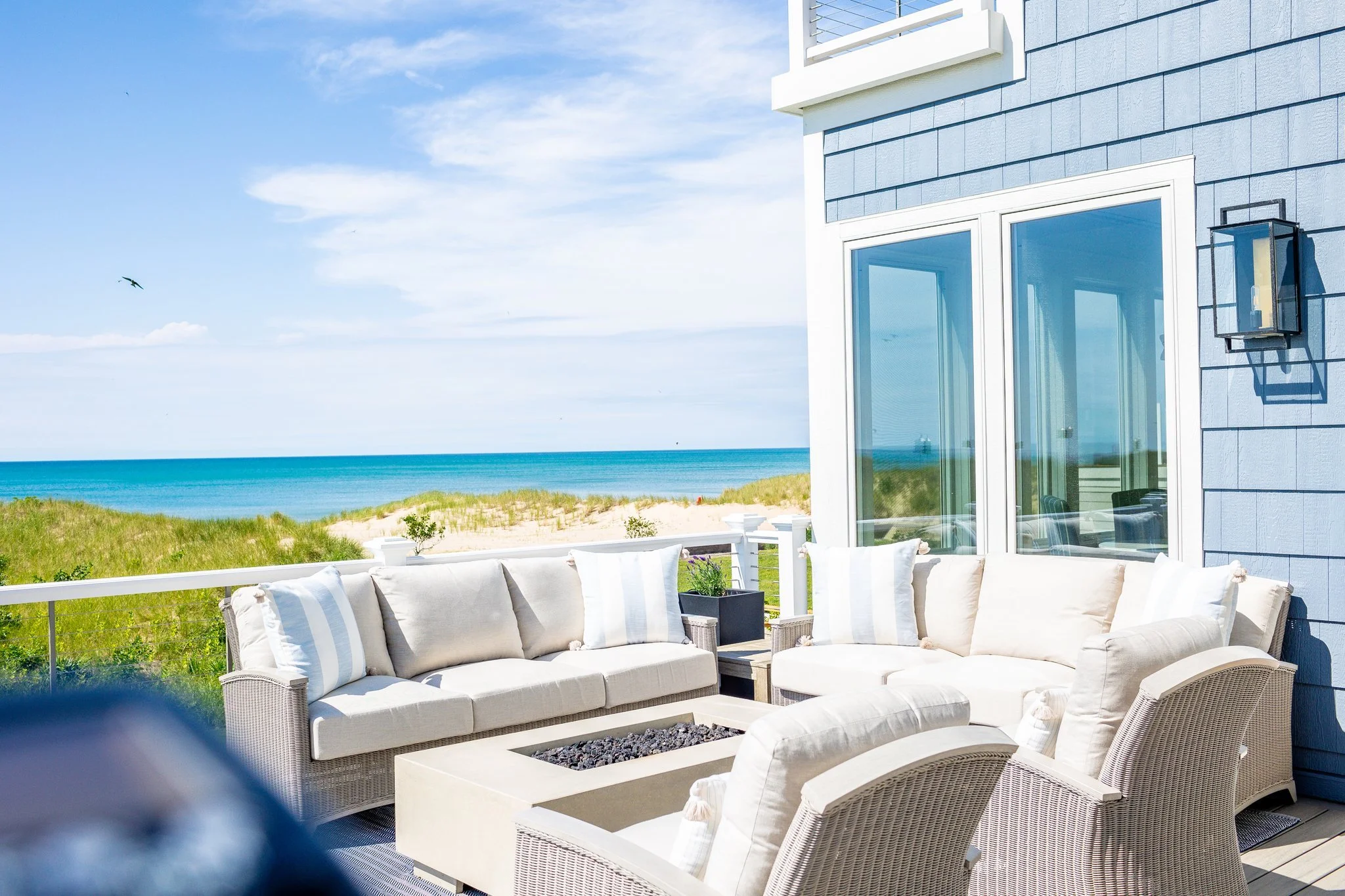
Why Price Per Square Foot Is Misleading
When it comes to building a custom home, “price per square foot” doesn’t tell the whole story. In fact, it can be one of the most misleading ways to compare builders. In this post, we break down why quality, design, and long-term value matter far more—and how Mark Scott Homes delivers a building experience that goes beyond the numbers.
1. It Doesn’t Reflect the Features That Matter to You
A 3,000-square-foot home with builder-grade materials will cost a lot less than a 2,500-square-foot home with custom millwork, premium windows, and top-tier appliances—but it doesn’t mean it’s a better value. What’s in the home matters more than the square footage.
2. It Ignores Design Complexity
A ranch-style home with a large footprint often costs more per square foot than a two-story home of the same size. Why? More roof, more foundation, more everything. Homes with multiple roof lines, large windows, or detailed exterior finishes also increase complexity and cost—but also beauty and performance.
3. It Doesn’t Consider Site Conditions
One of the biggest cost factors isn’t the house—it’s the land. Soil conditions, slope, utility access, and environmental requirements all influence the cost of building, especially in areas like Lake Michigan or the hills of Harbor Country.
🔍 What You Should Be Asking Instead
What goes into your standard build? (Materials, systems, level of finish)
How transparent is your pricing and process?
What kind of client experience do you provide from design to move-in?
What do your homes look and feel like 10+ years later?
These questions give you real insight into what your investment will bring you: not just a house, but a home built with integrity, longevity, and comfort in mind.
🏡 Why Quality Is Always the Better Investment
At Mark Scott Homes, we don’t compete on being the cheapest—we compete on being the best value for those who want it done right.
✅ Built to Last
We use proven building practices, high-quality materials, and expert craftsmen so your home is energy-efficient, low-maintenance, and built to stand the test of time.
✅ Tailored to You
Your home should reflect your lifestyle—not a one-size-fits-all template. We customize layouts, details, and finishes based on your goals, not just what fits into a box.
✅ Stress-Free Experience
We provide a guided, open-book building process that gives you control without the overwhelm. Our team handles the complexity so you don’t have to.
💬 Final Thought
Your custom home is likely the biggest investment you’ll ever make—not just in money, but in how you live, relax, and make memories with your family. So when it comes to cost, ask the deeper question:
What kind of home—and experience—do I want my investment to deliver?
If you’re ready to build smarter, not just cheaper, let’s talk.
Contact Mark Scott Homes today to schedule your first conversation.

The Importance of Indoor Air Quality in Custom Homes
When designing a custom home, most homeowners focus on aesthetics and functionality—but what about the air you breathe? Indoor air quality (IAQ) plays a crucial role in your health, comfort, and overall well-being. Poor air quality can lead to allergies, respiratory issues, and long-term health risks.
At Mark Scott Homes, we prioritize healthier homes by integrating advanced ventilation systems, HEPA filtration, low-VOC materials, and humidity control into our custom builds. In this blog, we explore the biggest air pollutants, smart design solutions, and the long-term benefits of better air quality in your home.
When designing and building a custom home, most homeowners focus on aesthetics, layout, and functionality. But one critical factor that often gets overlooked is indoor air quality (IAQ)—an essential element for a healthier, more comfortable living environment. At Mark Scott Homes, we believe that a well-designed home is not just about luxury and beauty, but also about ensuring the well-being of those who live in it.
Why Indoor Air Quality Matters
Indoor air quality directly impacts your health, comfort, and even your home’s longevity. Poor IAQ can lead to allergies, respiratory issues, and long-term health risks due to pollutants like dust, mold, and volatile organic compounds (VOCs). A well-ventilated, properly filtered home reduces these risks and creates a cleaner, fresher living environment.
Common Air Pollutants in Homes
Even the most beautiful homes can be affected by unseen pollutants, including:
Dust and Allergens: Accumulate from everyday activities and can exacerbate allergies and asthma.
Mold and Mildew: Result from excess moisture and poor ventilation.
VOCs: Emitted from paints, finishes, and household cleaners.
Pet Dander: A concern for homeowners with pets.
Carbon Monoxide & Radon: Invisible gases that can be hazardous without proper ventilation.
How Custom Homes Can Enhance Air Quality
At Mark Scott Homes, we take a proactive approach to IAQ in our custom home designs. Here are a few strategies we use to ensure healthier indoor environments:
1. Advanced Ventilation Systems
Proper ventilation is key to maintaining clean indoor air. We incorporate:
Energy Recovery Ventilators (ERVs) to continuously cycle fresh air into the home while expelling stale air.
Smart HVAC Systems that monitor air quality and adjust accordingly.
2. High-Efficiency Air Filtration
HEPA Filters that capture airborne allergens and fine particles.
MERV-rated filters designed to trap dust, pollen, and even bacteria.
3. Low-VOC & Non-Toxic Materials
We prioritize using:
Zero-VOC paints and finishes to reduce harmful emissions.
Formaldehyde-free cabinetry and flooring for a healthier environment.
Natural materials such as solid wood and stone, which emit fewer pollutants.
4. Humidity Control & Moisture Prevention
Dehumidification systems to prevent mold and mildew.
Proper insulation and waterproofing to reduce condensation buildup.
The Long-Term Benefits of a Healthier Home
Investing in indoor air quality is an investment in your health, comfort, and peace of mind. Homeowners who prioritize IAQ experience: ✅ Fewer allergy and asthma symptoms. ✅ Improved sleep and overall wellness. ✅ Enhanced home value with high-quality, sustainable features. ✅ Lower maintenance costs by reducing mold and moisture-related damage.
Building for the Future: Our Commitment to Healthy Homes
At Mark Scott Homes, we believe that luxury should never come at the expense of well-being. Whether you're designing your dream home or renovating an existing space, we can help create a home that is as healthy as it is beautiful.
Interested in learning more about how we incorporate better indoor air quality into our custom homes? Contact us today to start planning your healthier, high-quality living space.
📩 Let’s Build Something Exceptional.
👉 Schedule a consultation today and let’s discuss how we can design a home that prioritizes your family’s health and well-being. Contact us to get started on your new healthy custom home!
Change orders aren’t always a bad thing—but they can cause budget and schedule stress if they aren’t managed correctly. Here’s what change orders really mean, what triggers them, and how a great builder keeps them under control.